
Loading…

From world-model context to coordinated action
Industrial
Agentic AI
World-model context for mission-critical agentic operations. Designed to connect people, humanoids and mixed fleets through shared spatial intelligence, coordinated decisions and bounded actions.
Concept illustration · Industrial autonomy under human authority
Powered by


Explore the architecture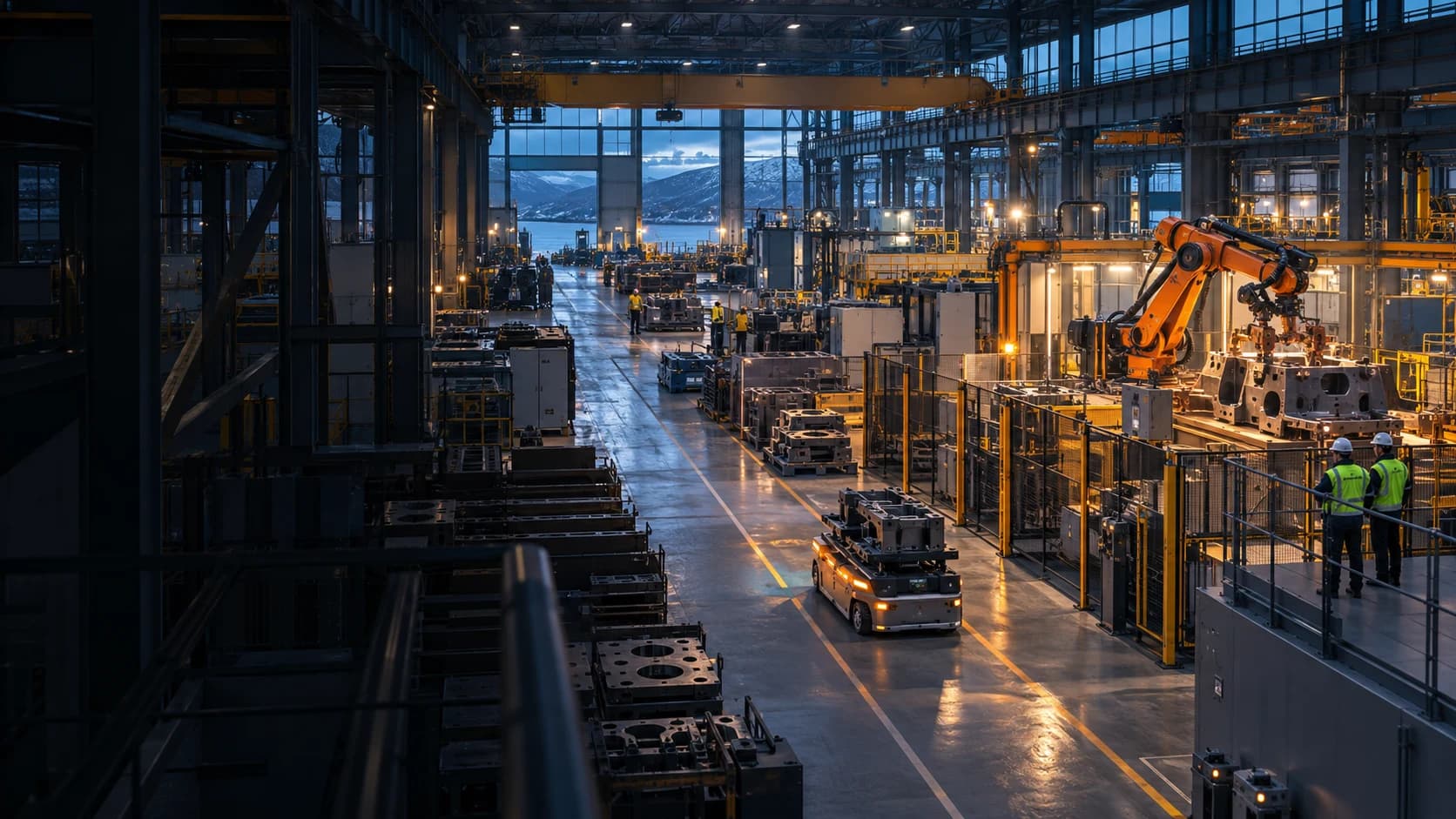
missionGRAPH · Industrial Agentic Context Platform
Ground intelligence. Scale what works.
missionGRAPH is the context foundation of missionSTACK—designed to connect people, humanoids and fleets through shared spatial intelligence. Ground decision and world models in real processes and human expertise. Test each proposed improvement in simulation. Retain the evidence. Advance under human control.
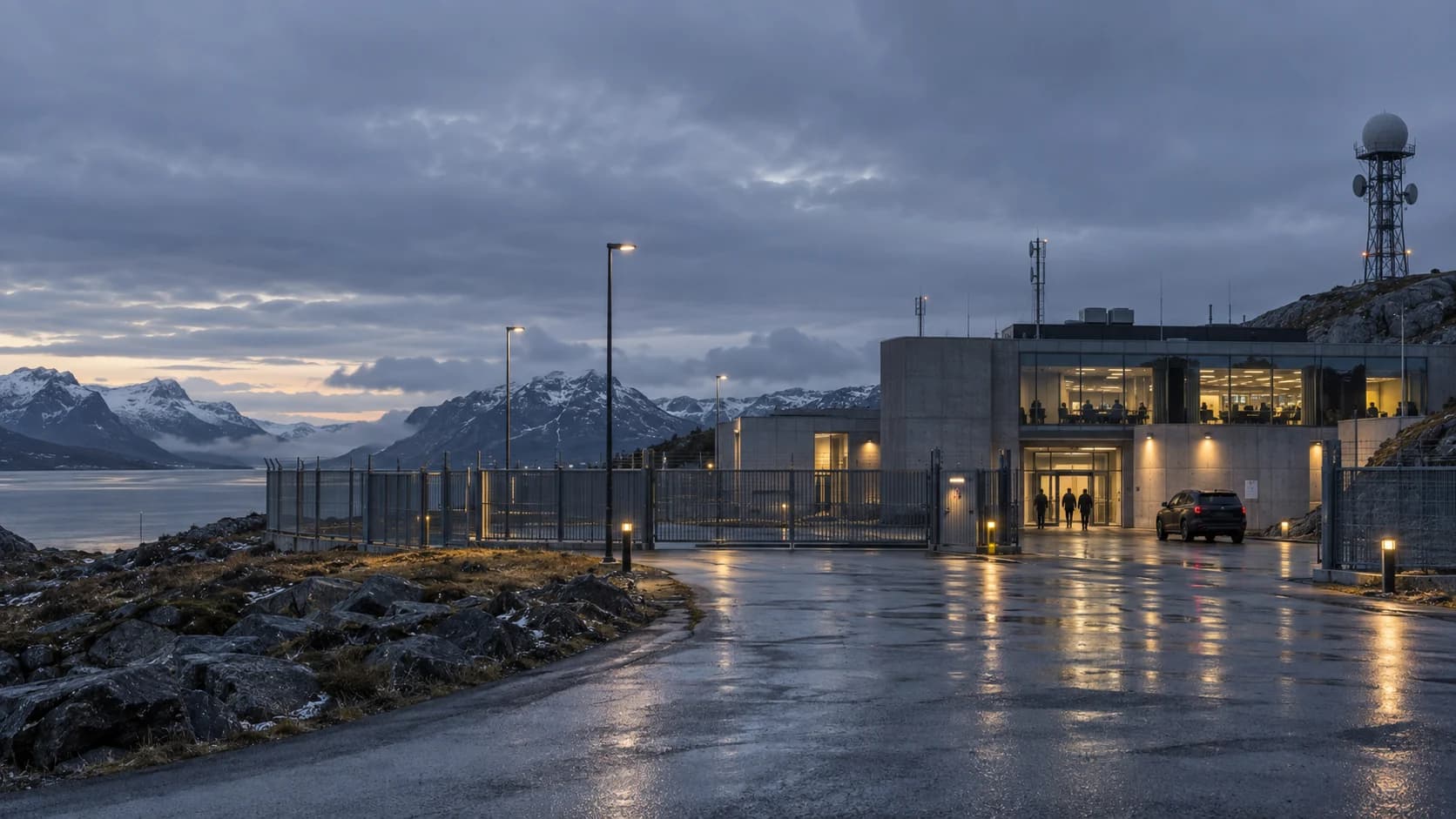
Where it matters most
Built for work that matters.
Questions, answered
Agentic & Physical AI, explained.
What it does. Why it matters. What is proven.
Explore the AI definitions →What does Systown AI do?
Systown AI develops missionSTACK for modelling and simulating coordinated physical operations, and contextCLONE for governed agent workflows. Based in Stockholm, the team connects operational context, bounded actions and evidence for human review. Current simulation results and architecture descriptions require separate implementation, validation and commissioning before field-performance claims. Meet Systown AI
Who is Systown AI for?
Systown AI addresses industrial operations, government and public services, healthcare administration, and security and defence workflows. Start with one bounded task, approved samples and named reviewers. Healthcare examples concern administrative work, while physical operations require site-specific controls and commissioning before equipment is authorised to act. Explore the applications
What is missionGRAPH’s role in missionSTACK?
missionGRAPH is the Industrial Agentic Context Platform within missionSTACK, designed to unify spatial intelligence, decision and world models, and verification loops. It connects industrial context with simulation and decision review. Recursive self-improvement is a research direction: proposed capability gains must be evaluated and approved, while live integration and physical deployment require separate validation. Explore missionGRAPH
How do hybrid autonomous systems work together?
Hybrid autonomous systems describes the intended coordination of people, humanoids, autonomous machines, non-autonomous equipment and shared processes. Within missionSTACK, swarmCORTEX orchestrates jobs, routes and resources, while declared controls bound actions and retain human authority. Evaluate efficiency and interactions against a baseline; simulation does not establish field safety or replace equipment safety controls. Explore swarm and fleet coordination
Where would our data run, and what does sovereign mean?
Systown describes Connected, Protected and Sealed deployment profiles as architecture options to evaluate for each customer. Connected proposes selected SE/EU cloud infrastructure; Protected uses a controlled data centre; Sealed targets isolated infrastructure. Sovereignty means authority over models, information and actions, with the installed system required to demonstrate its boundary. Review deployment profiles
Can it run on-premises or air-gapped?
On-premises and air-gapped operation are proposed deployment profiles, not established installation guarantees. Before making an air-gap or no-egress claim, verify the selected models, isolation, logs, support access and offline updates on the installed system. A signed release package alone does not establish that operational boundary. Review the evidence boundary
How do NVIDIA and OpenAI relate to Systown AI?
The site identifies NVIDIA Inception programme membership and OpenAI models as part of Systown’s technology ecosystem. Its architecture describes development on approved material and evaluation on a selected NVIDIA runtime. Provider names and programme membership do not imply endorsement, certification or a commissioned integration with either organisation. Read the claims policy
How do we start a pilot or evaluation?
Start with one bounded task, approved samples, an accountable owner and a measurable result. Agree the baseline, controls, review criteria and evidence needed for the next decision. Systown’s published approach begins with an evaluation of the workflow or operation before any wider commitment or claim of field performance. Start the conversation
Start the conversation
One mission.
A clear next step.
Tell us what needs to improve. Define the result. Test the path to it.
Start your evaluation →